Nafeesa parveen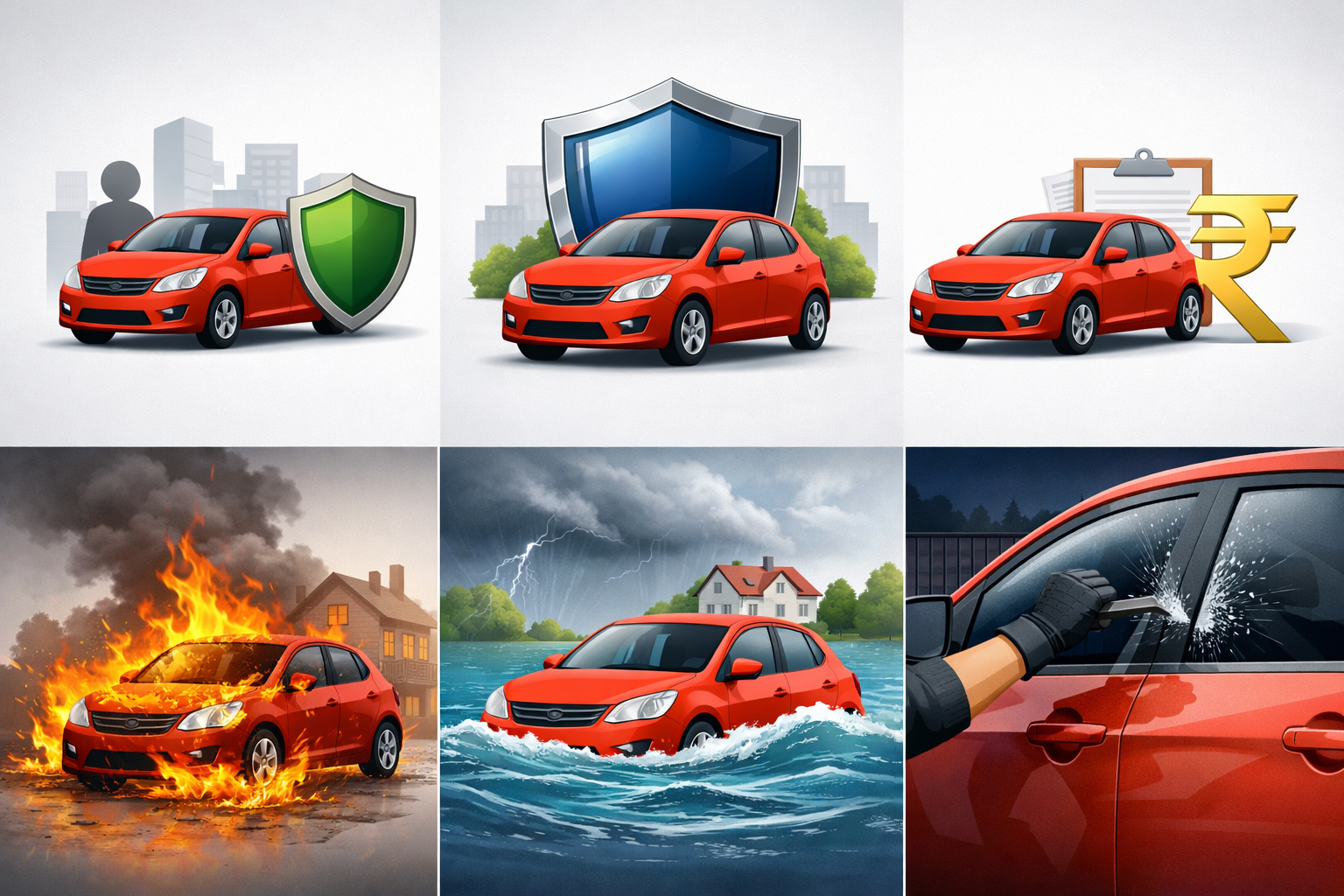
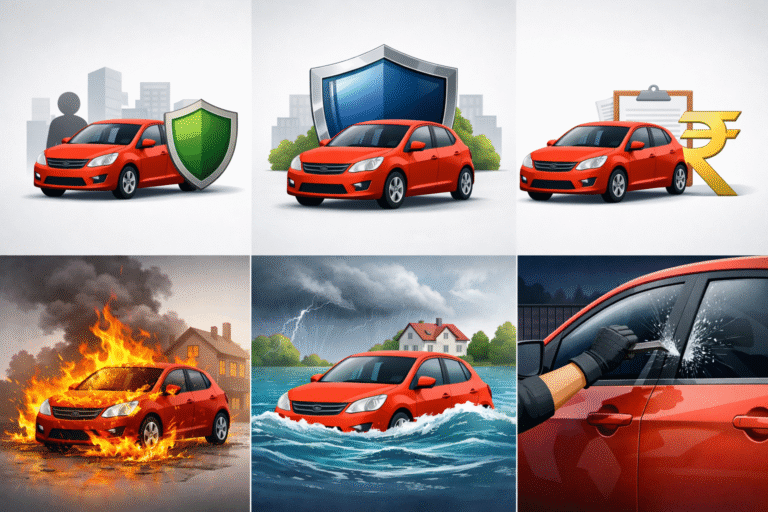
Comparison of leading car insurance providers in India with coverage, premiums, and claim settlement details
Car Insurance in 2026: Complete Guide to Coverage, Claims & Savings
Introduction
Car insurance is an essential financial product for every vehicle owner in India. With evolving rules and policies in 2026, understanding car insurance coverage, claim processes, and ways to save money has become more important than ever. This comprehensive guide will help you navigate the intricacies of car insurance, ensuring you choose the right plan, maximize benefits, and avoid common mistakes.
In this guide, we cover:
- Basics of car insurance
- Types of car insurance policies
- Coverage details and add-ons
- Claim process explained
- Factors affecting premium
- Tips to save on car insurance
- Frequently asked questions (FAQs)
- Top insurers and comparison
Whether you are a first-time car buyer, renewing your policy, or switching providers, this guide is your complete roadmap for 2026.
What is Car Insurance? – Car Insurance in 2026
Car Insurance in 2026 a contract between the policyholder and the insurance company, where the insurer agrees to compensate for financial losses due to accidents, theft, or damages to the vehicle. In India, car insurance is mandatory under the Motor Vehicles Act, 1988.
Insurance protects against:
- Accidental damages
- Third-party liability
- Theft or fire
- Natural disasters
- Legal liabilities
It provides peace of mind while driving and ensures financial protection.
Why Car Insurance is Important in 2026 – Car Insurance in 2026
- Legal Requirement: Driving without insurance can attract fines and penalties.
- Financial Security: Repairs or replacements after accidents can be expensive.
- Loan Requirement: Banks require insurance when providing car loans.
- Peace of Mind: You can drive confidently knowing you are covered.
Types of Car Insurance Policies – Car Insurance in 2026
1. Third-Party Liability Insurance
Car Insurance in 2026 Covers damages or injuries caused to another person or their property. Mandatory in India.
Pros: Affordable, legally required
Cons: Does not cover your own car damages
Car Insurance in 2026
2. Comprehensive Car Insurance
Covers both your vehicle and third-party liabilities. Includes damages due to accidents, theft, natural disasters, fire, etc.
Pros: Maximum coverage, peace of mind
Cons: Higher premium than third-party policy
3. Zero Depreciation / Bumper-to-Bumper Insurance – Car Insurance in 2026
Covers the full cost of parts without deducting depreciation. Mostly for new cars up to 5 years old.
Pros: Full claim settlement, covers all parts
Cons: Expensive, annual premium higher
4. Standalone Add-Ons
- Engine and Gearbox Protection
- Roadside Assistance
- Personal Accident Cover
- Return to Invoice Cover
Add-ons can enhance your coverage but increase premium slightly.
Coverage Details in 2026 – Car Insurance in 2026
Modern car insurance policies in 2026 include:
1. Own Damage Cover
Covers accidental damages to your car, including collision, fire, and natural disasters.
2. Third-Party Liability Cover
Compensation for injury or property damage caused to a third party.
3. Personal Accident Cover
Coverage for the driver and passengers in case of injury or death.
4. Natural Calamities and Man-Made Disasters
Includes floods, earthquakes, storms, riots, and terrorism-related damages.
5. Theft and Fire Protection
Covers damages due to theft, burglary, or fire.
6. Add-Ons and Optional Covers
- Engine Protect
- Key Replacement
- Roadside Assistance
- Zero Depreciation
- Consumables Cover
How Car Insurance Premium is Calculated in 2026 – Car Insurance in 2026
Factors affecting premium include:
- Car Make & Model: Luxury or sports cars attract higher premiums.
- Age of Vehicle: Older cars cost less to insure, but claim settlement may be lower.
- Location / RTO: Urban areas with higher accident rates may attract higher premiums.
- Previous Claims / No Claim Bonus (NCB): Claim-free years reduce premium.
- Coverage & Add-Ons: More add-ons increase premium.
- Insured Declared Value (IDV): Higher IDV increases premium but ensures higher claim.
- Driver’s Age & Experience: Younger, inexperienced drivers may have higher premium.
Car Insurance Claim Process 2026
Step 1: Intimate the Insurance Company
Report the accident or damage immediately via customer care, email, or online portal.
Step 2: Document Submission
Provide necessary documents:
- FIR (if applicable)
- Policy papers
- Driving license
- Vehicle photographs
- Repair bills or estimates
Step 3: Surveyor Inspection
The insurance company may send a surveyor to assess damages.
Step 4: Approval & Repair
Once claim is approved, car is repaired at network garages or reimbursement is provided.
Step 5: Claim Settlement
Claim amount is credited to your account or repair shop directly. Keep track of claim status online.
Tip: File claims promptly and maintain all receipts for smooth settlement.
Factors Affecting Claims
- Late intimation to insurer
- False or incomplete documentation
- Non-network garage repairs without consent
- Driving under influence or negligence
Maintaining proper documentation and adhering to policy terms ensures hassle-free claims.
Income Tax Filing Guide 2026: Step-by-Step Process with Latest Rules in India
Introduction
Income Tax Filing Guide 2026 Filing income tax is a mandatory responsibility for every earning individual in India. This Income Tax Filing Guide 2026 is designed to provide a complete, updated, and beginner‑friendly roadmap to help you file your Income Tax Return (ITR) smoothly without confusion. In 2026, tax rules, slabs, exemptions, and the online filing process have become more streamlined, yet many taxpayers still make mistakes that lead to notices, penalties, or delayed refunds.
Tips to Save on Car Insurance in 2026
- Compare Multiple Policies: Use online portals to compare premiums.
- Opt for Higher Deductibles: Higher voluntary deductibles reduce premium.
- Claim-Free Bonus: Maintain no-claim years to enjoy NCB discounts.
- Buy Comprehensive Early: Avoid policy lapses for continuous coverage.
- Add Only Necessary Add-Ons: Select add-ons wisely to avoid unnecessary cost.
- Consider Vehicle Safety Features: Cars with airbags, anti-theft devices, and safety ratings may get discounts.
- Renew Online: Digital renewals often attract additional discounts.
Common Mistakes to Avoid
- Not reading policy terms carefully
- Choosing only third-party coverage when comprehensive is needed
- Ignoring add-on benefits
- Delaying renewals
- Submitting incorrect claim documents
Avoiding these mistakes ensures maximum protection and smooth claims.
Top Car Insurance Companies in India 2026
- ICICI Lombard
- HDFC ERGO
- Bajaj Allianz
- Tata AIG
- New India Assurance
- Reliance General Insurance
- SBI General Insurance
Tip: Compare coverage, premiums, claim settlement ratio, and customer reviews before buying.
Frequently Asked Questions (FAQs)
Q1. Is car insurance mandatory in India?
Yes, under the Motor Vehicles Act, 1988, at least third-party insurance is compulsory.
Q2. What is the difference between third-party and comprehensive insurance?
Third-party covers only damages to others. Comprehensive covers both your car and third-party liabilities.
Q3. Can I file car insurance claims online?
Yes, most insurers allow online claim intimation, documentation, and tracking.
Q4. What is No Claim Bonus (NCB)?
NCB is a discount on premium for claim-free years. It increases with consecutive claim-free years.
Q5. Does insurance cover natural disasters?
Comprehensive policies cover natural disasters such as floods, earthquakes, and storms.
Q6. How to reduce premium costs?
Maintain claim-free records, choose only necessary add-ons, compare online, and use voluntary deductibles.
Conclusion
Car insurance in 2026 is more flexible, comprehensive, and user-friendly than ever. Understanding coverage options, the claim process, and premium factors is essential to making the best choice for your vehicle. By following this guide, you can ensure full protection, save money, and enjoy peace of mind while driving.
Stay insured, drive safely, and maximize your car insurance benefits in 2026.
About The Author